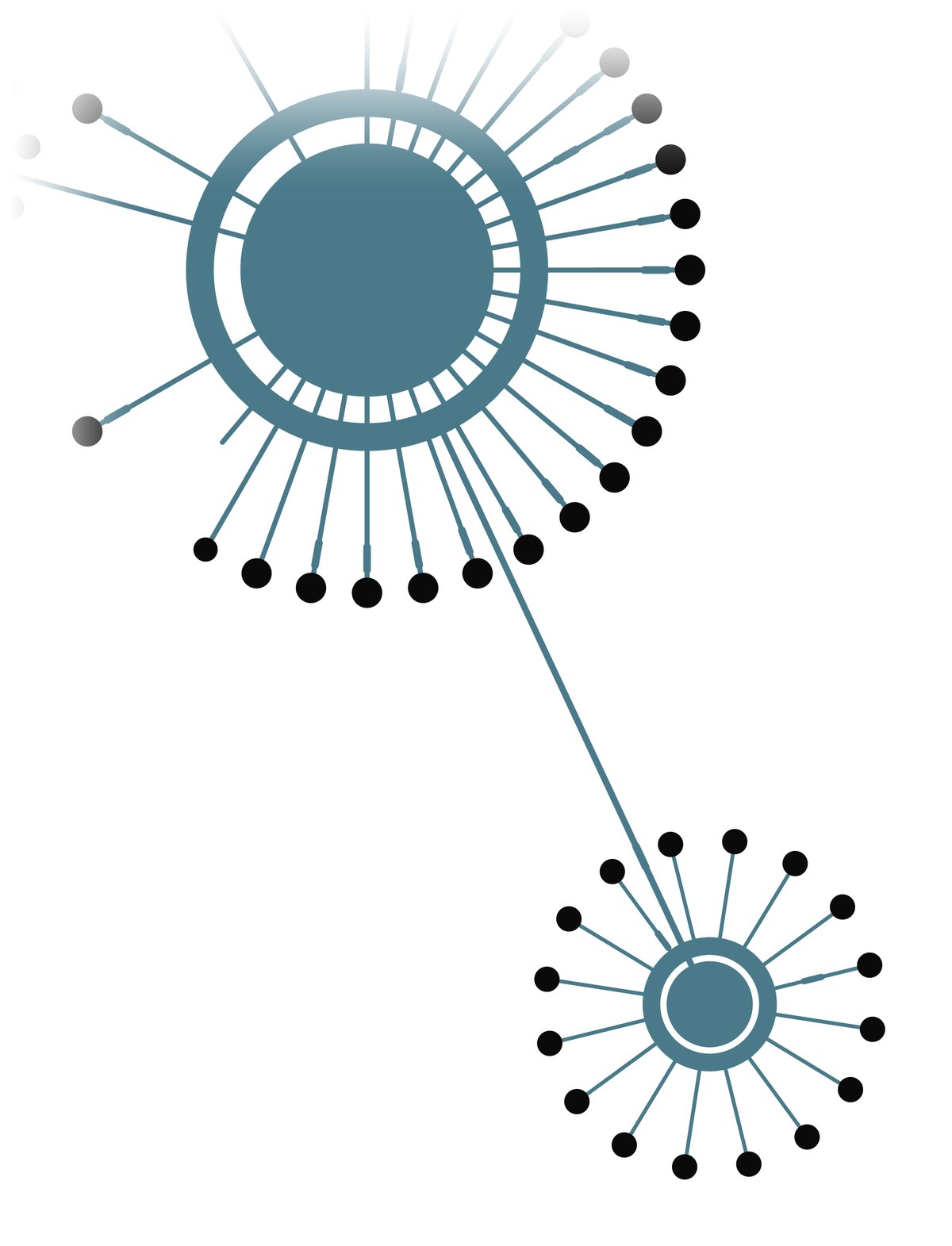
The operations hub
An operations hub is a single system that sits at the centre of an organisation or a process and runs any task from rotas, onboarding, contracts or invoices to highly specialised bespoke operations.
Customers, staff, contractors and partners each reach it through their own secure portal, so the work no longer has to pass through one person.
Why growth stalls when everything runs through one person
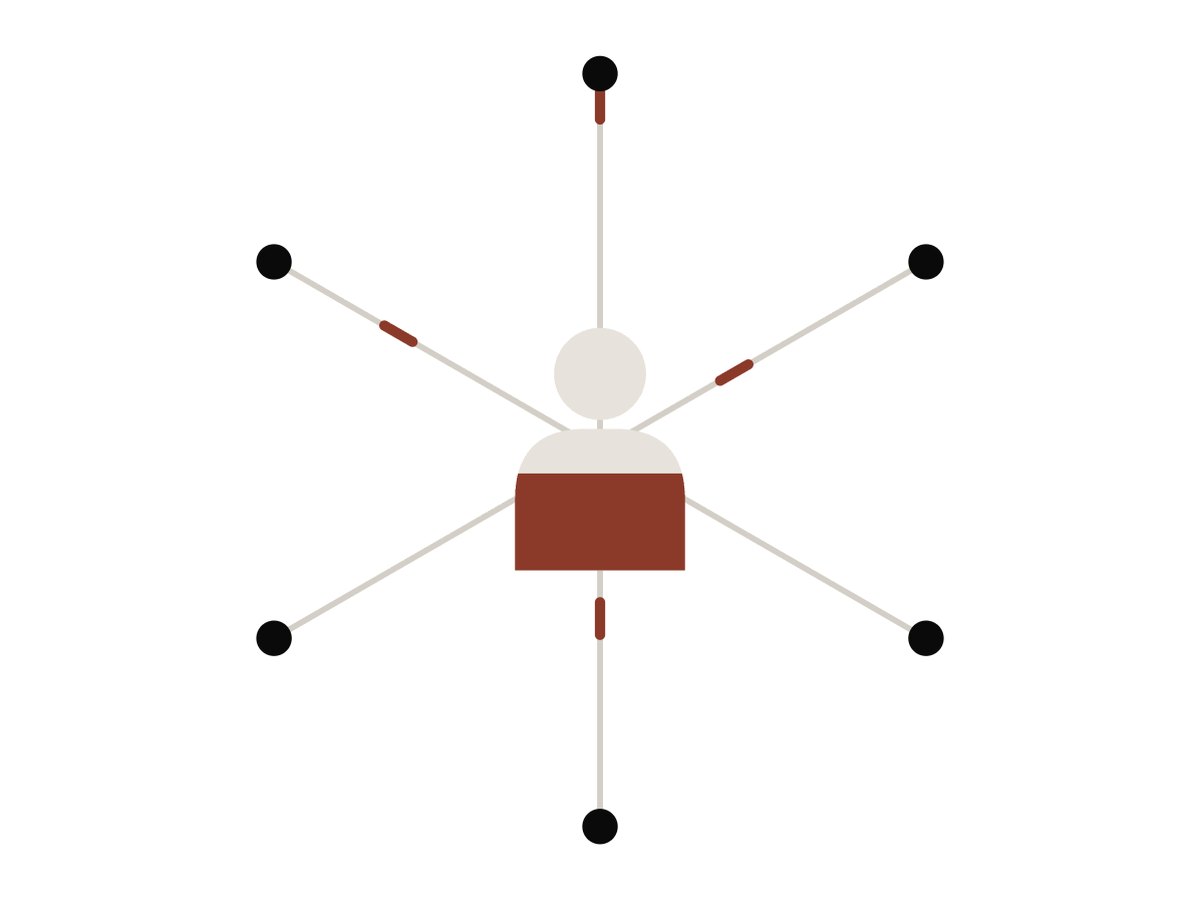
Most small and mid-sized businesses have a hub already. It is usually the founder or a key person. Every job, query or update passes through them.
That works until the business grows or that person is not available. More customers bring more work, but the person in the middle has the same number of hours.
Work starts to queue behind them, and the business can only move as fast as they can.
Why hiring alone doesn't fix it
Hiring is the obvious answer, and sometimes the right one. But it is expensive, and a team has to be built, trained and managed. Each of those takes time from the same person who had none to spare.
If the new people still need that person for answers, approvals and information, the queue returns, now with more people waiting in it.
And this problem isn't unique to smaller organisations, even large established businesses often have some key functions running through a single point of failure.
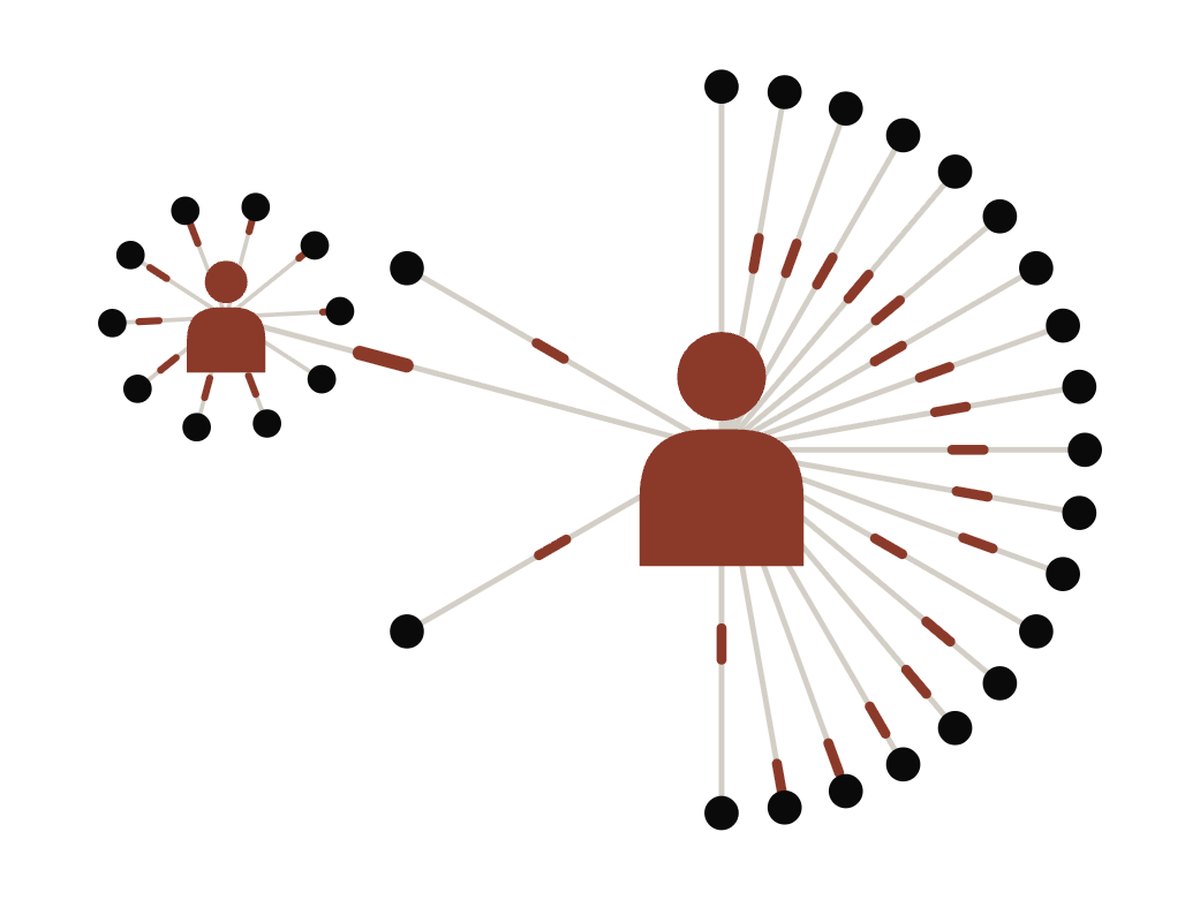
How to deal with excessive workloads.
What changes with a system at the centre
An operations hub moves certain key functions from a person to a system. Rotas are built and sent out, new starters and clients are onboarded, contracts are issued, invoices go out and marketing runs automatically.
The founder, the operations director or staffing manager stops being the bottleneck that everything has to pass through.
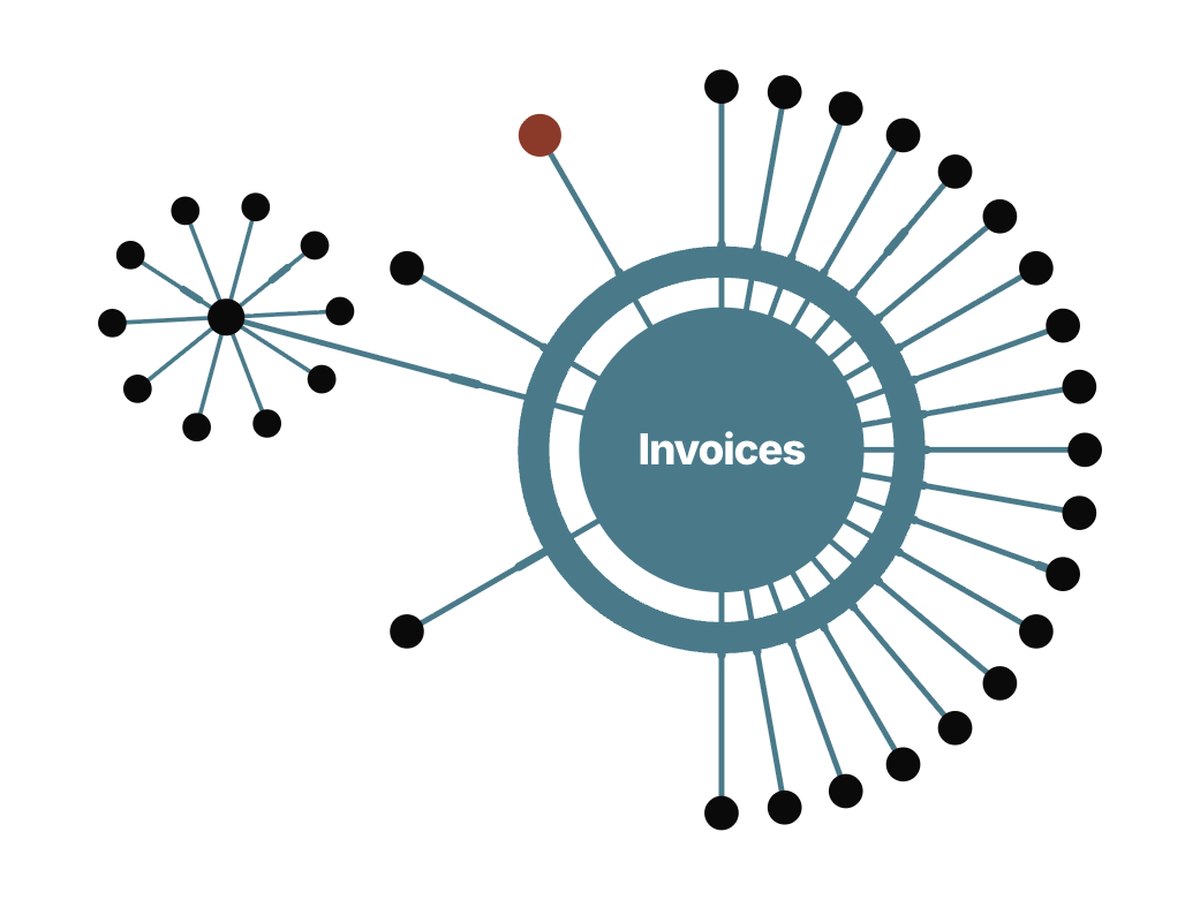
Portals for clients, contractors, partners and staff
Everyone who deals with the business gets secure access to the part of the hub that concerns them. A client sees the progress of their work. A contractor can access and update their tasks. A partner can send work to clients you share. Staff login to access their rota.
People get what they need directly, without asking for it, and each person sees only what they are permitted to see.
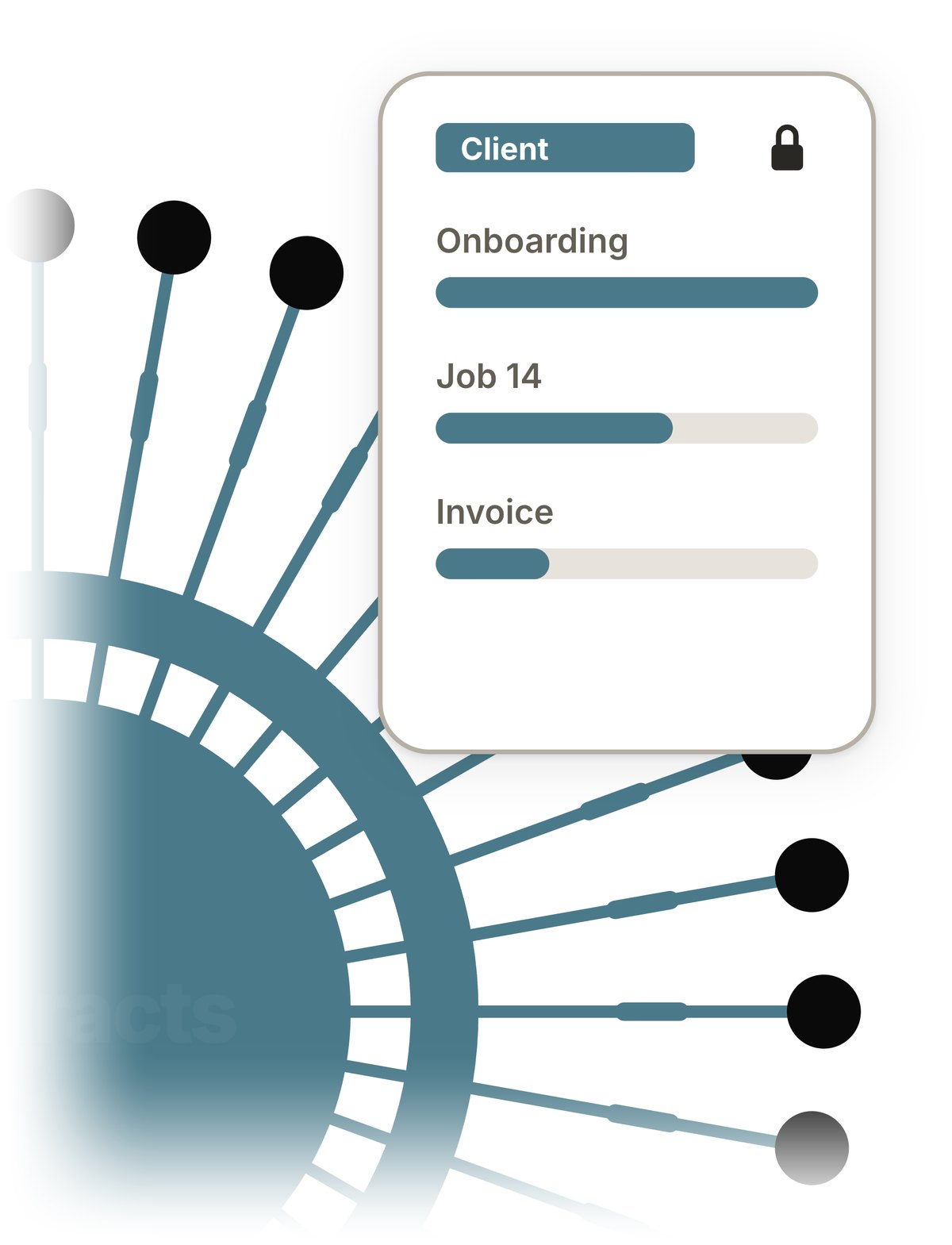
A hub of their own for B2B clients and agencies
Businesses that sell to other businesses can go a step further. An agency or B2B client gets a portal of its own, connected to yours, and runs its own clients through it.
Each one you add brings its own customers with it, without adding to your workload. The business is free to scale, and your time comes back to you.